

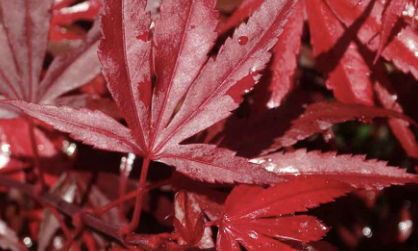
Acer trees, often called Japanese maples, are among the most elegant ornamental trees you can grow. Known for their delicate foliage, vibrant seasonal colour, and graceful branching, they add structure and beauty to gardens of all sizes.
Popular varieties include Acer palmatum, Acer japonicum, Acer negundo, and the striking red-leaved Acer rubrum. Each offers unique foliage shapes, colours, and growth habits.
In this guide, we answer some of the most common questions gardeners ask when choosing and caring for Acer trees.
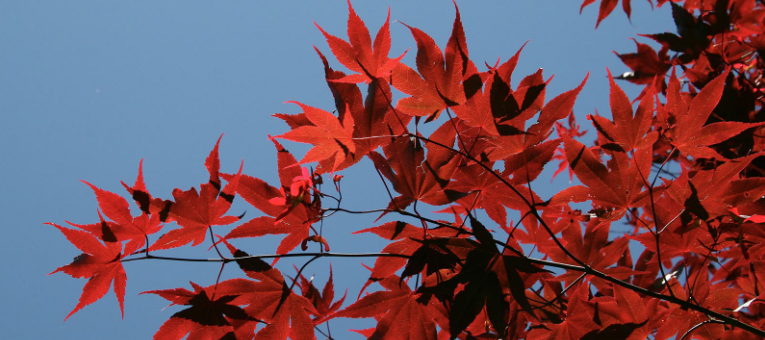
What Is the Best Time to Plant Acer Trees?
The best time to plant Acer trees is in autumn or early spring, when the soil is moist and temperatures are mild. This allows the roots to establish before the stresses of summer heat or winter frost.
Container-grown trees such as Acer palmatum, Acer japonicum, Acer negundo, and Acer rubrum can technically be planted at any time of year, but planting during these cooler seasons gives the best results for root establishment and long-term growth.
Why Autumn Planting Works Best
- Soil remains warm from summer
- Increased rainfall helps root growth
- Trees establish before the next growing season
- Spring Planting Benefits
- Ideal for colder regions
- Avoids winter frost damage to young roots
- Gives trees a full growing season to settle in
Do Acers Prefer Pots or the Ground?
Acers grow well both in the ground and in containers, depending on the variety.
- Smaller ornamental trees such as Acer palmatum are excellent for pots, patios, and courtyard gardens.
- Larger species like Acer rubrum are better suited to open ground, where they have space to develop their full canopy.
- Tougher varieties such as Acer negundo can adapt to a wide range of soils and planting positions.
When planting in containers, use a large pot with good drainage and a slightly acidic compost mix.
Do Japanese Acers Prefer Sun or Shade?
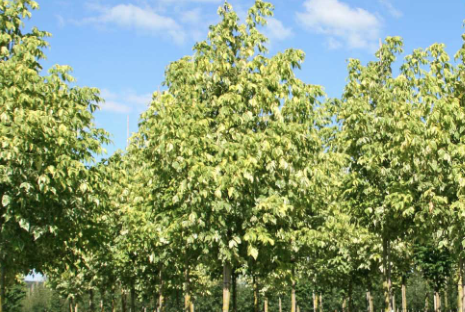
Most Japanese maples prefer partial shade or dappled sunlight. Trees like Acer palmatum and Acer japonicum thrive in sheltered positions where they receive morning sun but protection from strong afternoon heat. Too much direct sun can cause leaf scorch, especially in windy or exposed locations.
What Is the Prettiest Acer Tree?
Beauty is subjective, but some Acer species are widely admired for their foliage and colour.
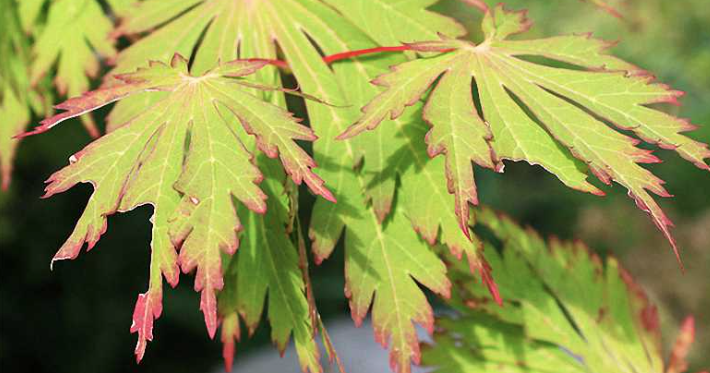
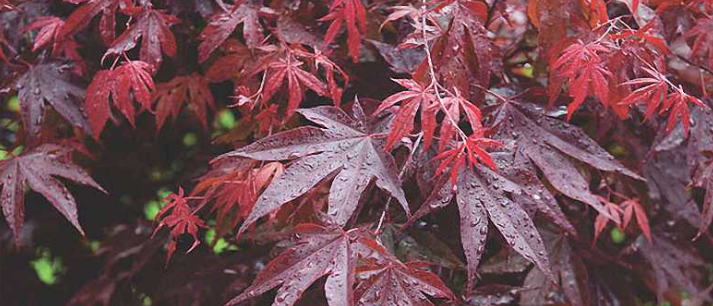
Acer palmatum (Bi Ho, Shaina, Osakazuki, Dissectum, Garnet, Bloodgood, Sango Kaku) – famous for its delicate leaves and vibrant autumn colour.
Acer japonicum – known for its rounded leaves and dramatic seasonal colour changes.
Acer rubrum – produces brilliant red foliage in autumn.
Acer negundo – available in both variegated and Flamingo forms, offering striking foliage contrast.
Each species provides its own unique ornamental qualities.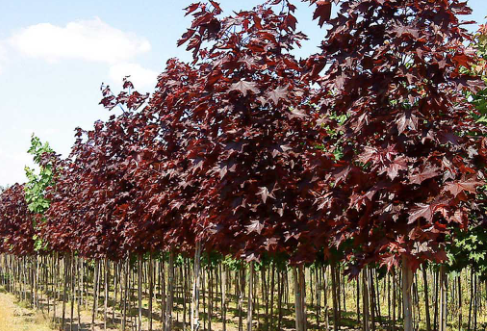
Do Acer Trees Lose Their Leaves in Winter?
Yes – most Acer trees are deciduous, meaning they lose their leaves in autumn and regrow them in spring. Species like Acer palmatum, Acer japonicum, and Acer rubrum produce spectacular autumn displays before shedding their leaves for winter dormancy.
During winter, their elegant branching structure becomes a striking architectural feature in the garden.
Are There Any Downsides to Growing Japanese Acers?
While Acer trees are generally easy to grow, there are a few considerations:
- Wind exposure can damage delicate leaves.
- Strong afternoon sun may cause leaf scorch.
- Poor drainage can lead to root stress.
Choosing the right location and soil conditions ensures healthy growth and vibrant foliage.
Why Choose Acer Trees for Your Garden?
Acer trees are valued for:
- Stunning seasonal foliage colour
- Elegant branching structure
- Suitability for small gardens, containers, or larger landscapes
- Relatively low maintenance once established
With varieties such as Acer palmatum, Acer japonicum, Acer negundo, and Acer rubrum, gardeners can enjoy striking foliage and graceful form throughout the seasons.