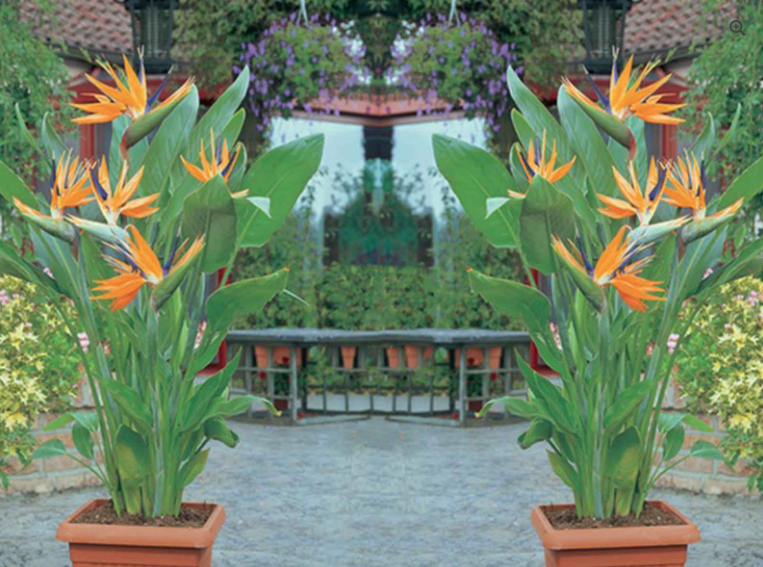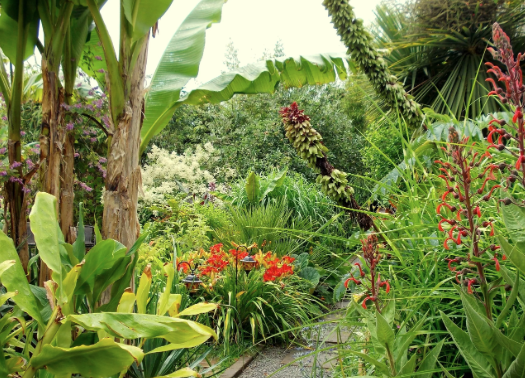
Dreaming of a lush, tropical garden – but worried about harsh UK winters?
You’re not alone. The good news? Many exotic plants are far tougher than people think. With the right plant choices and proper positioning, you can create a bold, architectural tropical garden that thrives in British conditions – without replacing everything each spring.
In this guide, we’ll show you:
- The best hardy tropical plants for UK gardens
- Which exotics need winter protection
- How to grow palms successfully in Britain
- Practical winter care tips from experienced growers
 What Makes a Tropical Plant “Hardy” in the UK?
In British gardening, “hardy” typically means a plant can tolerate frost (often down to -8°C to -15°C depending on variety), cold winds, and wet winters (if soil drainage is good). The biggest killer of exotic plants isn’t cold alone – it’s cold, waterlogged soil. Improving drainage instantly increases success rates.
The Best Hardy Tropical Plants for UK Gardens
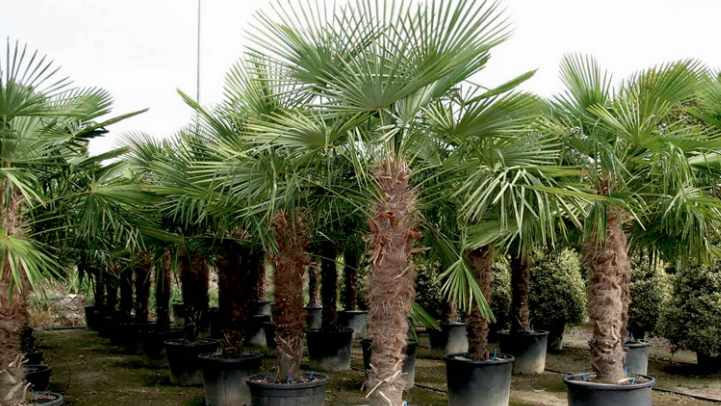
1. Trachycarpus fortunei (Chusan Palm)
Why it works in the UK:
- One of the most frost-tolerant palms available
- Handles temperatures down to around -15°C once established
- Evergreen structure year-round
- Thrives in most parts of the UK
It’s ideal for creating instant height framing patios, jungle-style borders, and coastal gardens. This is consistently one of the most reliable hardy palms for British conditions.
Expert tip: Plant in spring in free-draining soil and water regularly in the first growing season to establish strong roots before winter.
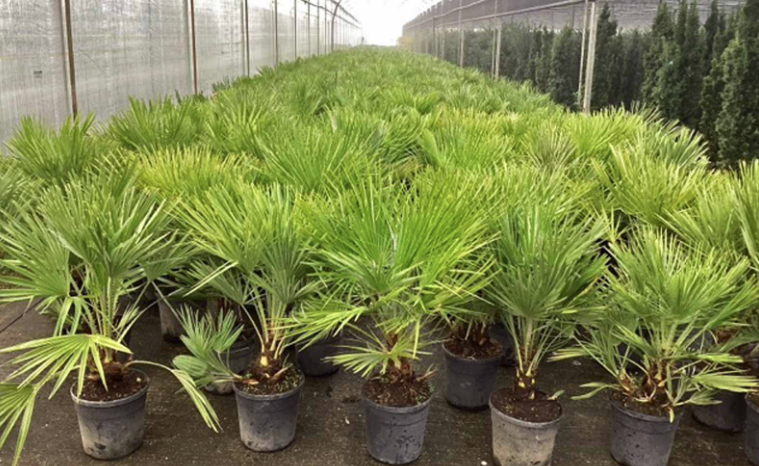
For a more compact, bushy look, this palm is an excellent choice.
Key benefits:
- Clump-forming habit
- Extremely drought tolerant once established
- Suitable for pots or borders
- Adds Mediterranean character
It’s particularly well-suited to smaller gardens, patio containers, and contemporary garden designs. When planted in well-drained soil and given winter crown protection during severe frost, it performs very well across much of the UK.
Is Musa basjoo Really Hardy in the UK?
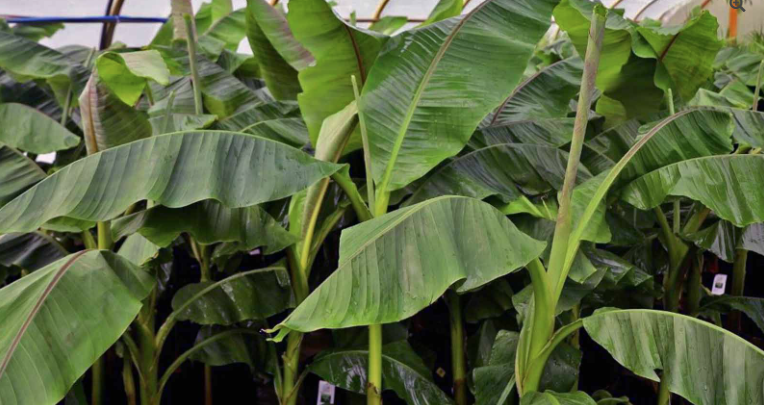
For gardeners wanting dramatic, oversized foliage, Musa basjoo is one of the most effective plants for creating an instant jungle feel. Often referred to as the hardy banana tree, Musa basjoo is far tougher than many people expect.
But will it survive a UK winter? Yes – with the right protection.
The roots are hardy in most parts of the UK, frost will usually cut back the top growth
With a thick mulch around the base, it reshoots vigorously in late spring. By mid summer, it can produce huge, lush leaves that completely transform a border.
For best results:
- Plant in a sheltered, sunny position
- Improve drainage before planting
- Apply a deep mulch in autumn to protect the crown
- It pairs exceptionally well with hardy palms, creating layered, architectural planting that looks far more tropical than the UK climate suggests.
Where Is the Best Place to Plant a Monkey Puzzle Tree?
The striking Araucaria araucana (Monkey Puzzle Tree) is one of the most distinctive architectural evergreens you can grow in the UK. But because it’s a long-lived, structural tree, positioning is everything.
So where should you plant it?
Monkey Puzzle Trees perform best in:
- Full sun or light shade
- Free-draining soil (they dislike waterlogging)
- An open position with space to mature
- A sheltered site when young, particularly in colder regions
They are fully hardy in most parts of the UK once established, but young trees benefit from protection from strong, cold winds during their first few winters. It’s important to consider eventual size. Over time, Monkey Puzzle Trees can develop into large, sculptural specimens, making them best suited to:
- Larger gardens
- Lawns where they can become a focal point
- Architectural planting schemes
- Coastal areas with mild winters
Because of their bold, spiky form, they contrast beautifully with softer tropical foliage such as hardy bananas and palms. Used thoughtfully, they provide permanent height and structure – anchoring an exotic planting design for decades.
How to Grow Tropical Plants Successfully in the UK
Here’s what experienced growers prioritise:
1. Drainage First, Always
Even hardy palms struggle in waterlogged soil.
Improve heavy clay by:
Adding horticultural grit
Raising planting areas
Incorporating organic matter
If in doubt, plant into slightly elevated beds.
2. Choose a Sheltered Position
Exotic plants dislike:
Strong winter winds
Frost pockets
Exposed north-facing sites
South or west-facing positions provide:
Warmer microclimates
Better growth rates
Reduced winter damage
3. Winter Protection (When Needed)
For hardy palms:
Tie fronds loosely upward
Wrap the crown in fleece during prolonged frost
Apply mulch around the base
For tender exotics:
Move indoors before temperatures drop below 5°C
Protection doesn’t need to be elaborate – just proactive.
Creating a Tropical Garden That Looks Established
The secret to a convincing tropical design isn’t quantity – it’s structure.
Start with:
- One structural palm (e.g. Trachycarpus fortunei)
- Layered mid-height foliage
- Bold leaf contrast
- Dense planting to create a lush effect
Palms create height and permanence. Container exotics add drama and seasonal impact. This combination gives you the tropical look, without excessive winter risk.
Common Mistakes to Avoid
- Buying non-hardy “true tropical” plants for open ground
- Planting late in autumn (roots don’t establish before winter)
- Ignoring drainage
- Leaving tender plants outside during frost
- Overwatering container plants in winter
Most exotic plant failures in the UK are avoidable with correct plant choice and positioning.
Why Hardy Exotic Plants Are a Smart Investment
- Hardy tropical plants:
- Add year-round structure
- Increase visual impact
- Elevate modern garden design
- Work well in both small and large gardens
Ready to Create Your Own Tropical Garden?
If you’re starting out, begin with reliable hardy palms such as:
Then add statement container plants like Bird of Paradise, Musa Bajoo and Succulents for seasonal drama.
At Garden Plants Online, we carefully select exotic plants suited to UK growing conditions – helping you achieve maximum impact with realistic care requirements.