


It’s completely natural to feel concerned if your plant doesn’t look perfect following delivery.
Leaves may be a little droopy, stems slightly bent, or the plant may look generally “tired.” This is usually due to transit stress, and in most cases, it’s temporary and easily resolved.
What Happens to Plants During Delivery?
Even with careful handling, plants go through a lot during transit:
- Changes in temperature
- Reduced light
- Limited airflow
- Movement and vibration
This can cause temporary stress, especially in soft-leaved or fast-growing plants.

Common Signs of Delivery Stress
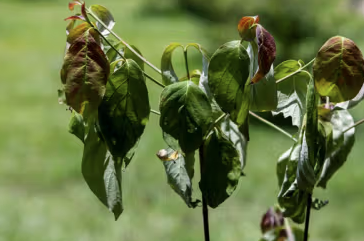
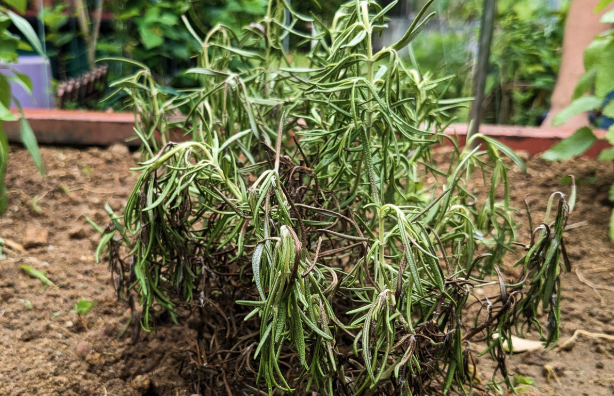
- Drooping or limp leaves
- Slight yellowing or browning
- Bent stems or flattened foliage
- Dry compost
These signs can look worrying, but they are very rarely permanent damage.
The Most Important Thing: Give It Time
Plants need a short period to recover and adjust to their new environment.
In most cases:
- Recovery begins within 24–72 hours
- Noticeable improvement within a week
Jumping to conclusions too quickly is the most common mistake.
What to Do When Your Plant Arrives
1. Unwrap
- Let the plant breathe
- Prevent excess moisture build-up
2. Check the Compost
- If dry: water thoroughly
- If moist: leave it, don’t overwater
3. Place in the Right Spot
- Bright, indirect light is ideal
- Avoid strong sun straight away
- Keep away from cold drafts or heat sources
4. Let It Settle
Avoid:
- Repotting immediately
- Heavy pruning
- Moving it around too much
Give your plant a few days to stabilise first.
Bent Stems or Flattened Growth
This is especially common with larger or softer plants.
In most cases:
- Stems will gradually reposition themselves toward light
- Leaves will lift and reorient naturally
If needed, you can gently:
- Rotate the plant toward light
- Use light support (like a cane) temporarily
Dry or Damaged Leaves
Some cosmetic damage is normal during transit.
You can:
- Trim off badly damaged leaves if desired
- Leave slightly affected ones as they still support recovery
Remember: new growth will be adapted to your environment.
When Should You Be Concerned?
While most issues are temporary, check for:
- Completely collapsed or mushy stems
- Strong unpleasant smell from compost
- No improvement after 7–10 days in good conditions
These are less common and may indicate a more serious issue.
Why This Isn’t a Fault
Its important to remember plants are living things. Even in garden centres, plants:
- Experience stress when moved
- Show signs of handling
- Need time to adjust
Delivery simply adds another layer to that process.
How to Help Your Plant Thrive Long-Term
Once settled, you can support strong growth by:
- Using quality compost such as SylvaGrow Multi Purpose Compost
- Improving soil with SylvaGrow Farmyard Soil Improver
- Ensuring proper watering (not too much, not too little)
A good start makes a big difference.
Remember: new growth will soon appear, adapted to your conditions.
Deciduous Plants
It’s also important to know that some plants will arrive without leaves at certain times of year, and this is completely normal.
These are known as deciduous plants.
What does this mean?
Deciduous plants naturally:
- Lose their leaves in autumn and winter
- Enter a dormant (resting) phase
- Regrow fresh leaves in spring
So depending on when your plant is delivered, it may look:
- Bare or sparse
- Like “just sticks”
- Less full than expected
This is not a sign of poor health, it’s simply part of the plant’s natural cycle. Even without leaves, the plant is still alive and will begin to show fresh growth in the spring.
Examples of Deciduous Plants You Might Receive in Dormancy
Some popular garden plants, including many ornamental trees, will be leafless for part of the year. These include:
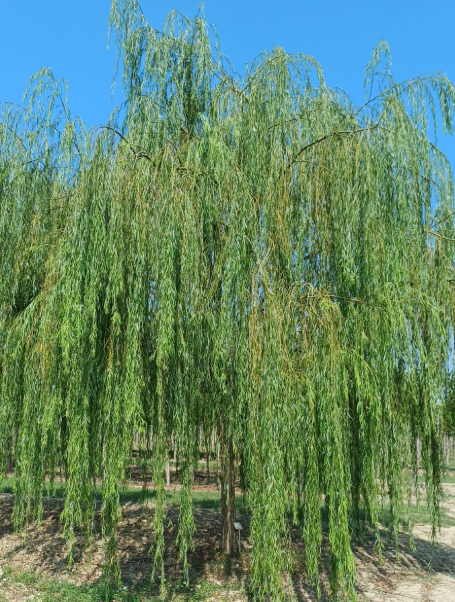
- Weeping trees like ornamental cherries, birches, and willows
- Ginkgo trees, mulberry trees, and other hardy trees and shrubs
- Many shrubs and hardy perennials
- Many flowering plants, like Peonies
These plants are perfectly healthy, and it’s the ideal time to plant them as they are putting their energy into root development.
How to Tell If It’s Still Healthy
Even without leaves, a plant can be perfectly healthy. Look for:
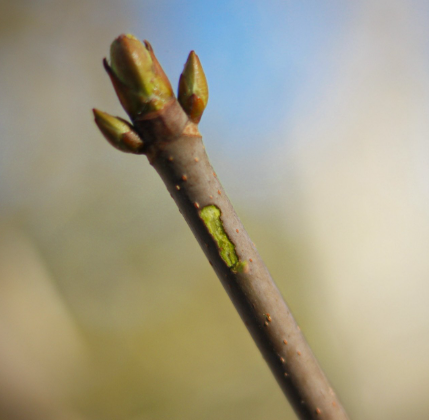
- Flexible, not brittle branches
- Green tissue under the bark when lightly scratched
- Firm roots and stems (not mushy)
These are all positive signs that the plant is alive and well.
Final Thoughts: A tired-looking plant on arrival doesn’t reflect its long-term health.
With a little care and patience, most plants will:
- Recover quickly
- Produce fresh, healthy growth
- Thrive in their new environment
Need More Help?
At Garden Plants Online, we’re always happy to offer advice to help your plants settle in successfully.
If you have concerns, give us a call or email and we would be happy to provide advice or a solution.