

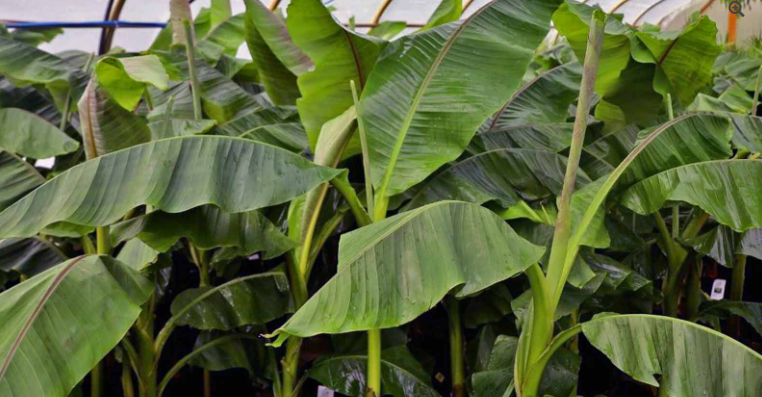
Musa basjoo or Banana Plants are one of the most popular choices for creating a tropical feel in gardens. Fast-growing, architectural, and surprisingly hardy, they make an instant impact.
However, they also generate a lot of questions, especially around dry leaves, bent stems, and general care.
If your banana plant doesn’t look perfect straight away, don’t worry, this guide explains what’s normal, what’s not, and how to care for your plant properly.
Is My Banana Plant Damaged? (Common Concerns Explained)
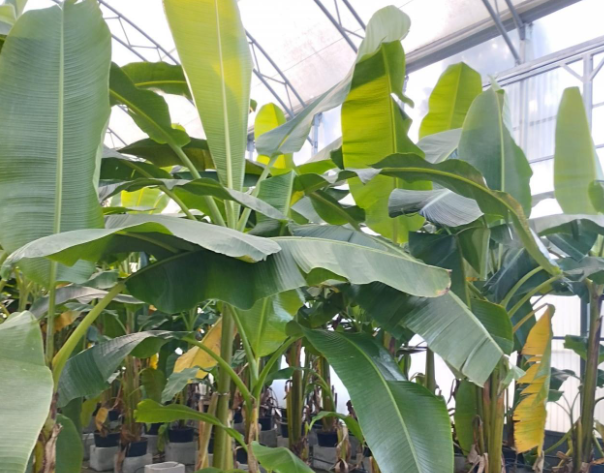
Dry or Torn Leaves
This is the most common concern and in most cases, it’s completely normal.
Banana leaves are:
- Large and delicate
- Easily damaged by wind during transport or in the garden
- Naturally prone to tearing
- Even in perfect conditions, banana leaves will split and fray. This is part of their natural growth habit—not a fault.
Brown or Crispy Edges
Usually caused by:
- Underwatering
- Wind exposure
- Transition shock (moving from greenhouse to garden)
Simply trim back damaged sections if needed and new leaves will replace them quickly.
Bent or Leaning Stems
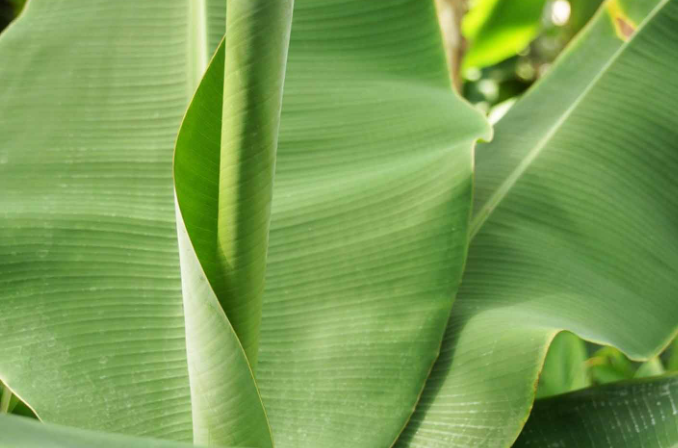
Banana plants don’t have a true woody trunk. Instead, they form a pseudostem made of tightly packed leaf bases.
Because of this:
- Slight bends are normal
- Plants may lean toward light
- Wind can affect shape
As long as the stem is firm, the plant is healthy.
How Often Should You Water Musa Basjoo?
Watering is key to success with banana plants.
Spring & Summer (Active Growth)
- Water 2–3 times per week in warm weather
- Keep soil consistently moist (not waterlogged)
- Increase during hot or dry spells
Banana plants are thirsty plants, they grow rapidly and need plenty of water to support large leaves.
Autumn & Winter (Dormant Period)
- Reduce watering significantly
- Water only when soil begins to dry
- Avoid waterlogged soil, especially in cold conditions
Overwatering in winter is one of the biggest causes of problems.
Should You Grow Musa Basjoo in a Pot or in the Ground?
In the Ground (Best for Growth)
- Grows larger and faster
- Better moisture retention
- More resilient in summer
In Pots (More Control)
- Easier to move or protect in winter
- Good for patios and smaller spaces
- Requires more frequent watering
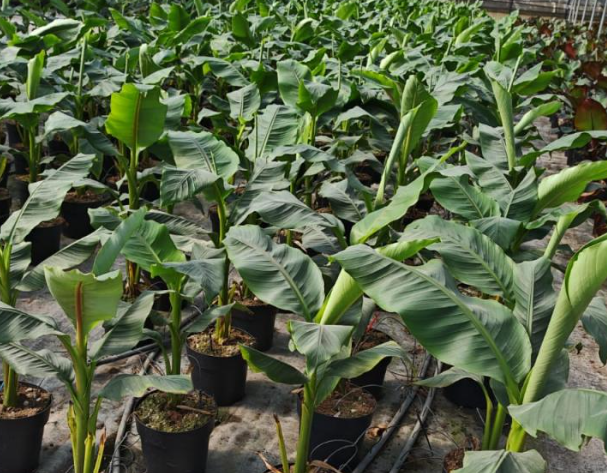
- Use a large container with good drainage and nutrient-rich compost.
Indoor or Outdoor?
Outdoor (Recommended in UK)
Musa basjoo is one of the hardiest banana plants available in the UK.
- Thrives outdoors in spring and summer
- Loves sun and shelter from strong winds
- Can tolerate cold if protected properly
Indoor Growing
Not ideal long-term because:
- Light levels are usually too low
- Growth becomes weak and leggy
Best grown outdoors during the growing season.
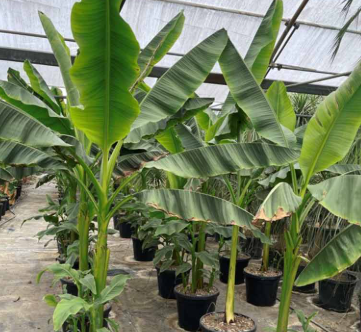
Growth Habits: What to Expect
Banana plants grow fast under the right conditions.
- New leaves appear regularly in warm weather
- Each leaf emerges tightly rolled, then unfurls
- Older leaves will naturally die off over time
This means:
- Some leaf loss is normal
- The plant is constantly renewing itself
Why Do Banana Leaves Turn Brown After Delivery?
This is a very common customer concern.
The main reasons:
- Temperature changes during transit
- Light changes (greenhouse → garden)
- Minor physical damage
This is called acclimatisation stress and is temporary.
What to do:
- Give it time (1–2 weeks)
- Water properly
- Avoid overreacting or overwatering
New growth will adapt to your conditions.
Winter Care (UK Essential Advice)
Although Musa basjoo is hardy, it still benefits from protection.
In the Ground:
- Cut back damaged leaves
- Mulch heavily around the base
- Protect the crown in colder areas
In Pots:
- Move to a sheltered location
- Reduce watering
- Protect from frost
When Should You Be Concerned?
Most issues are cosmetic, but watch for:
- Completely soft or collapsing stem
- Foul smell at the base
- No new growth in growing season
These could indicate rot or more serious issues.
Final Advice: Don’t Expect Perfection
If your plant has:
- Torn leaves
- Brown edges
- Slight bends
it’s still very likely healthy and growing exactly as it should.