Improving soil quality is always the foundation of healthy plant growth. However, sometimes your plants need a little extra help from feeds and fertilisers. Fresh soil should be applied before any planting or feeding is done in the spring, this encourages strong and healthy root growth.
If you’re unsure where to start when choosing the right feed for your garden, you’re certainly not alone. This quick guide will help you understand when and how to feed your plants for the best results, preparing your garden for the warmer growing months ahead.
When Should You Start Feeding?
Spring is the optimal time to begin feeding and fertilising most garden plants. As temperatures rise and growth resumes, plants require additional nutrients to support new shoots, leaves, flowers, and fruit. Feeding at the start of the growing season helps establish strong roots and encourages strong, healthy growth.
However, not all plants have the same nutritional requirements. Evergreen hedging, flowering shrubs, fruit trees, climbers, and container plants all have slightly different needs. Understanding what each plant requires will ensure you feed effectively.
When to Use Fertiliser
It’s common to panic at the first sign of poor growth and immediately reach for a fertiliser. While fertilisers are highly effective, it’s important to use them correctly.
Fertilisers contain concentrated nutrients designed to improve plant growth and vitality. They are available in both liquid and granular forms. Liquid feeds act quickly and are ideal for fast results, while slow-release pellets provide a steady supply of nutrients over time.
Fertilisers are particularly useful when:
- Plants show signs of nutrient deficiency, such as yellowing or discoloured leaves
- Growth appears weak or stunted
- Flowering is poor or limited
- New seedlings are establishing
- Container plants begin to exhaust the nutrients in their compost
Container plants especially benefit from regular feeding, as nutrients are quickly used up in pots and planters.
That said, every plant has different fertiliser requirements, so it’s important to check specific recommendations before applying. Overfeeding can be just as damaging as underfeeding, leading to root stress or excessive leafy growth with fewer flowers.
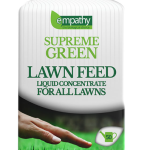
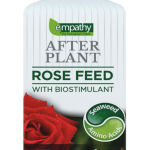
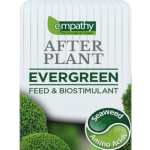
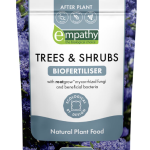
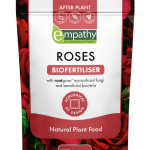
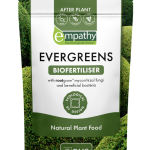
From trees and shrubs to roses and climbers, we supply all fertilisers for every plants needs.

The Benefits of Mulching
Feeding doesn’t always mean applying a concentrated fertiliser. Mulching is a gentler, longer-term method of improving soil health and supporting plant growth.
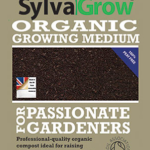
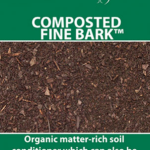
Mulching involves applying a layer of organic material, such as bark, compost, to the surface of the soil. This protective layer helps retain moisture, regulate soil temperature, suppress weeds, and gradually improve soil structure as it breaks down.
One of the main benefits of mulching is its ability to slowly enrich the soil, allowing plants to absorb nutrients naturally over time. Gardens treated with organic mulch often appear healthier, more vibrant, and more resilient during dry or hot conditions.
Mulching is particularly beneficial for fruit and vegetable plants, which require consistent moisture and nutrient levels to produce strong crops. It also reduces weed competition, helping plants focus their energy on growth rather than survival.
Finding the Right Balance
In most gardens, a balanced approach works best. Improve your soil structure with organic matter, apply mulch annually to maintain health, and use fertiliser strategically when plants need a boost — particularly during the active growing season.
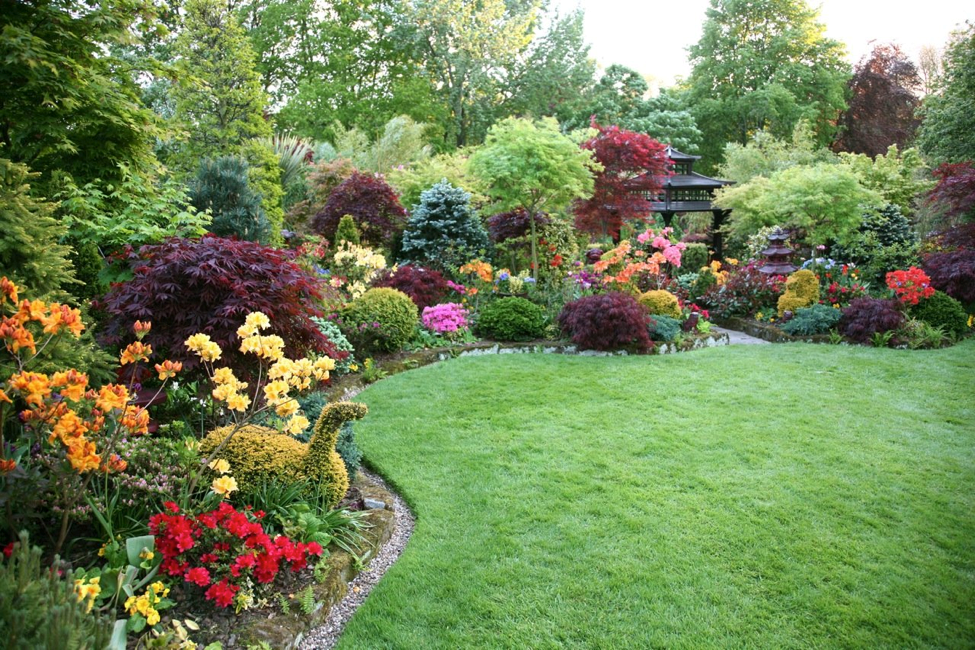
Feeding doesn’t need to be complicated. By understanding your plants’ needs and choosing the right products at the right time, you’ll create a garden that grows stronger, flowers better, and remains vibrant throughout the season.
General Feeding Guide
Houseplants benefit from feeding every 6-8 weeks during the growing season.
Monitor your plants closely for signs of nutrient deficiency, such as stunted growth, leaf drop, limp stems, spotting, or yellowing foliage.
Research each individual plants needs, not all plants follow the same feeding schedule.
Be careful not to overfeed your plants, as this can cause damage to the roots.