

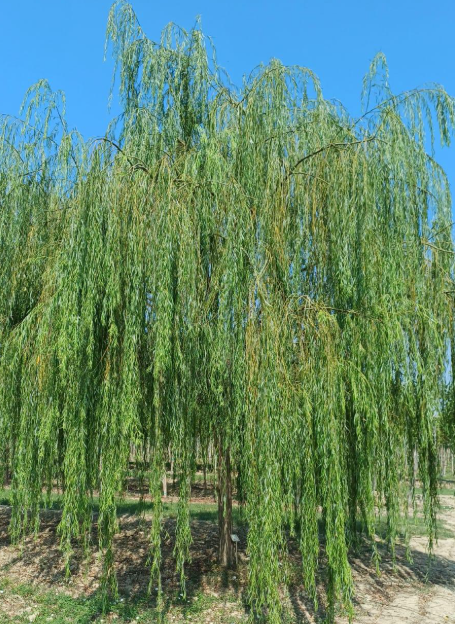
Weeping trees are some of the most elegant and eye-catching plants you can grow. Their cascading branches create movement, structure, and a focal point in any garden, but many gardeners are surprised to find that their “weeping” tree doesn’t actually weep at all.
If you’ve ever wondered why your weeping tree isn’t weeping, how to train one properly, or whether they’re difficult to maintain, this guide will walk you through everything you need to know based on real horticultural practice.
What Makes a Tree “Weeping”?
A true weeping tree doesn’t always grow into its signature shape on its own. In many cases, the weeping form is:
- Grafted onto a rootstock
- Dependent on training and pruning
- Influenced by early care and support
This means that without guidance, your tree may grow upwards, sideways, or just look a bit untidy.
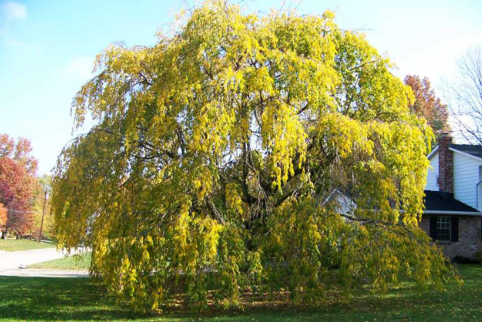
Why Isn’t My Weeping Tree Weeping?
This is one of the most common questions gardeners ask, and the answer is usually simple: it hasn’t been trained yet.
Here are the main reasons:
1. It Needs Support
Most weeping trees need to be trained upward first before they can cascade down. Without a stake or support, they won’t develop height, and therefore won’t “weep” properly.
2. It’s Still Young
Young trees often take a few seasons to establish their shape. Patience is key.
3. Incorrect Pruning
If the central leader has been cut too early, the tree may struggle to form a strong framework.
4. It’s a Grafted Variety
Some varieties are grafted at a specific height. Everything above the graft will weep, but only once it has grown out sufficiently.
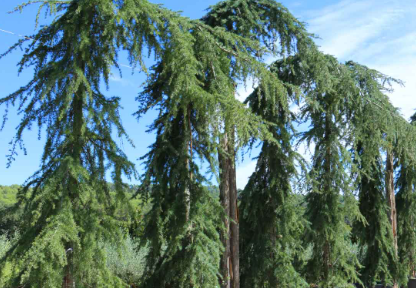
How to Train a Weeping Tree (Step-by-Step)
Training is what transforms a young plant into a dramatic, drooping specimen.
Step 1: Stake the Central Leader
Tie the main stem to a sturdy stake and guide it upward to your desired height.
Step 2: Choose Your Height
Once the tree reaches the height you want (typically 1.5–2m for garden use), you can allow branches to spill over.
Step 3: Encourage Side Growth
Let lateral branches grow and begin to arch downward naturally.
Step 4: Tie and Shape
Gently tie branches if needed to encourage a cascading form.
Step 5: Maintain the Structure
Remove unwanted upright shoots to preserve the weeping silhouette.
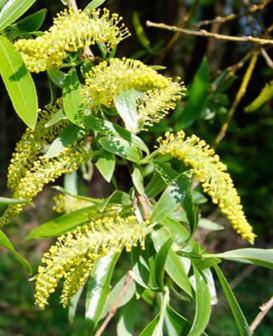
How to Prune a Weeping Tree
Pruning is essential, but it’s often misunderstood.
The Golden Rules:
- Remove vertical shoots that spoil the shape
- Thin crowded areas to improve airflow
- Cut back to outward-facing buds to encourage spread
- Avoid over-pruning – less is more
The goal is not to control growth harshly, but to enhance the natural cascade.
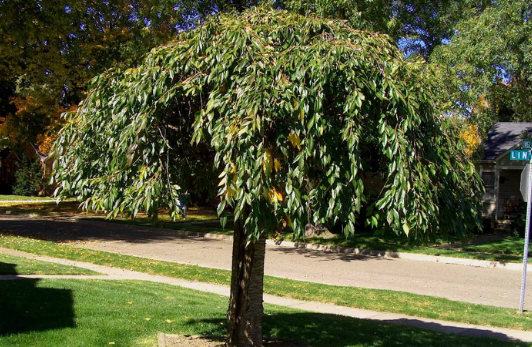
Are Weeping Trees Difficult to Maintain?
Despite their reputation, weeping trees are not difficult, they’re just different.
What they need:
- Occasional training in early years
- Light annual pruning
- A bit of patience
Once established, many are low-maintenance and long-lived, making them an excellent investment for your garden.
Small Weeping Trees for UK Gardens
If space is limited, there are several compact weeping varieties that work beautifully in smaller gardens.
Top choices include:
- Weeping Higan Cherry – graceful spring blossom and elegant structure
- Young’s Weeping Birch – light, airy form with striking white bark
- Weeping White Mulberry – unusual, characterful, and compact
These trees offer strong visual impact without overwhelming your space.
Best Weeping Trees to Grow (Expert Picks)
If you’re looking to add a weeping feature to your garden, these varieties offer both beauty and reliability:
Statement Trees
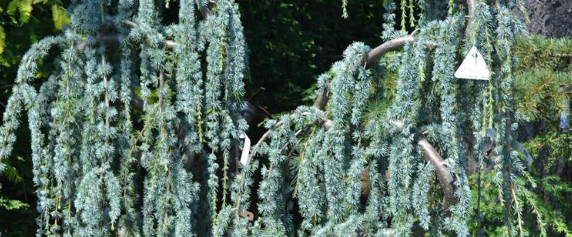
- Weeping Blue Atlas Cedar – architectural and dramatic
- Weeping Deodar Cedar – soft, flowing evergreen structure
Flowering Interest
- Weeping Higan Cherry – seasonal colour and elegance
Unique & Characterful
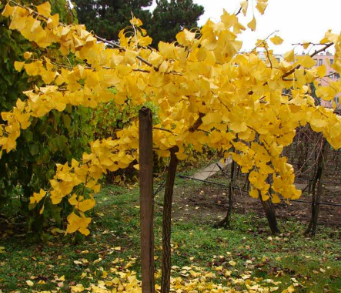
- Weeping Maidenhair Tree – rare and visually striking
- Weeping White Mulberry – distinctive form and texture
Evergreen Structure
- Weeping Goldcrest Cypress – year-round colour and fragrance
Classic Favourites
- Weeping Willow (Babylon Willow) – fast-growing and iconic
- Young’s Weeping Birch – one of the most graceful native-style trees
Final Thoughts: Training Is the Secret
The biggest misconception about weeping trees is that they’ll “just do their thing.” In reality, the most beautiful specimens are trained early and thoughtfully.
Once you understand how they grow, you’ll realise they’re not difficult—they simply require a more hands-on start.
And the reward? A truly unique tree that becomes a focal point for decades.
Ready to Grow Your Own Weeping Tree?
At Garden Plants Online, we specialise in carefully selected weeping varieties that are ideal for UK gardens. Whether you’re looking for a compact ornamental tree or a dramatic centrepiece, you’ll find options that are both beautiful and easy to train.
Explore our range of weeping trees and start shaping your garden today.