

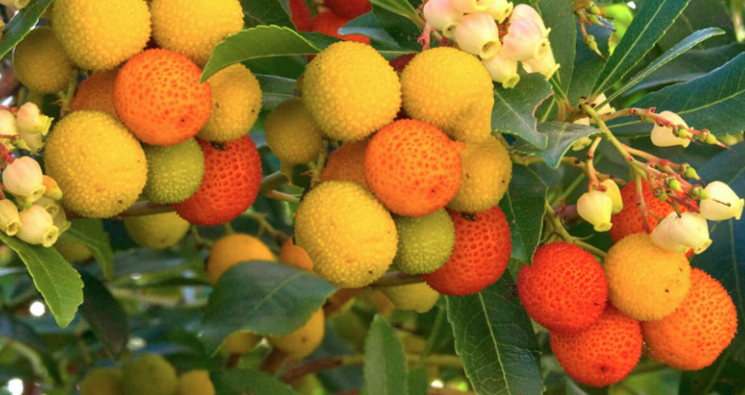
The Arbutus unedo, commonly known as the Strawberry Tree, is an attractive evergreen tree prized for its ornamental beauty, unusual fruit, and year-round interest. It combines glossy foliage, delicate bell-shaped flowers, and vibrant red fruits, often all appearing at the same time.
If you’re considering adding a Strawberry Tree to your garden, this expert guide answers the most common questions and provides practical advice to help your plant thrive.
What is Arbutus unedo?
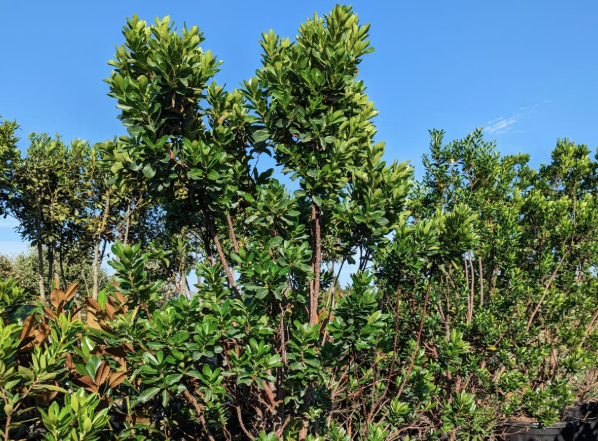
Arbutus unedo is a slow-growing evergreen native to the Mediterranean region and parts of Western Europe. It’s especially valued for:
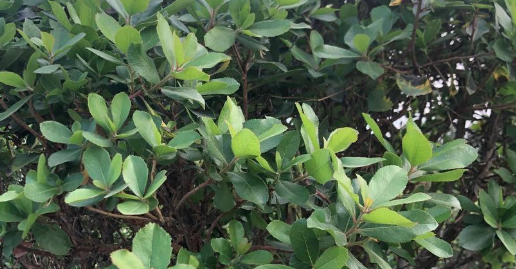
- Evergreen foliage: Deep green, glossy leaves
- Autumn flowers: White or pale pink urn-shaped blooms
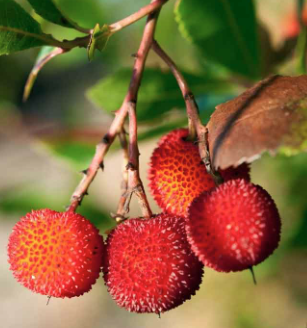
- Bright red fruits: Strawberry-like in appearance
- Wildlife value: Attracts pollinators and birds
Can You Eat the Fruit of a Strawberry Tree?
Yes, the fruit of Arbutus unedo is edible. However, expectations should be managed:
- The flavor is mild, slightly sweet, and sometimes bland
- Texture can be grainy or mealy when fully ripe
- Often used in:
- Jams and preserves
- Liqueurs and wines
- Traditional Mediterranean recipes
Expert tip: Fruits are best eaten when fully ripe (deep red and slightly soft), but they are more commonly processed than eaten fresh.
When Should You Plant a Strawberry Tree?
The best time to plant a Strawberry Tree is:
- Spring – ideal for establishment before summer heat
- Early autumn – allows roots to settle while soil is still warm
Avoid planting during:
- Frost periods
- Extreme summer heat
Container-grown plants can be planted year-round if watered well, but spring and autumn give the best results.
How Hardy is a Strawberry Tree?
Arbutus unedo is moderately hardy:
- Tolerates temperatures down to approximately -10°C to -15°C (14°F to 5°F) once established
- Young plants may need protection from frost
- Suitable for:
- Coastal gardens
- Mild temperate climates
- Sheltered urban settings
It also shows excellent resistance to wind and salt, making it a great choice for exposed or coastal sites.
How Big Do Strawberry Trees Get?
Strawberry Trees can vary in size depending on conditions:
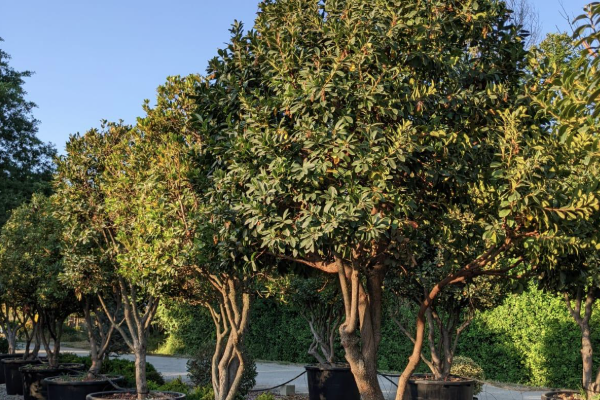
- Height: 4–8 metres (13–26 feet)
- Spread: 3–5 metres (10–16 feet)
They can be grown as:
- A multi-stemmed shrub
- A small ornamental tree with pruning
Growth rate: Slow to moderate, typically 20 – 40 cm per year.
Where is the Best Place to Plant a Strawberry Tree?
To get the best performance from your Arbutus unedo, choose a site with:
Light
- Full sun to partial shade
- Best fruiting occurs in full sun
Soil
- Well-drained soil is essential
- Tolerates:
- Sandy soils
- Loamy soils
- Slightly acidic to neutral pH
Avoid heavy, waterlogged soils.
Position
- Sheltered from cold winds (especially when young)
- Ideal for:
- Mediterranean-style gardens
- Coastal locations
- Urban courtyards
How Do You Take Care of a Strawberry Tree?
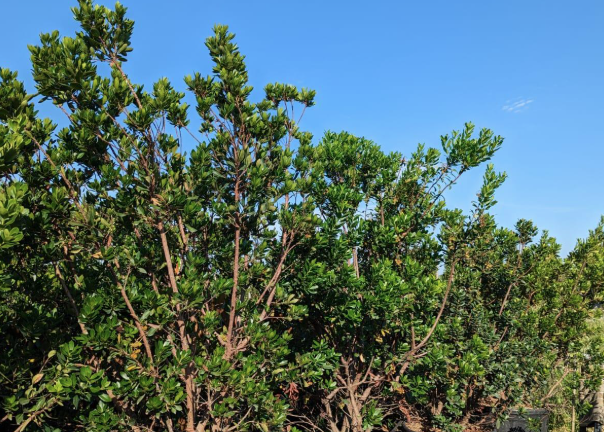
Strawberry Trees are relatively low-maintenance once established.
Watering
- Regular watering during the first 1–2 years
- Drought tolerant once mature
Feeding
- Apply a balanced fertiliser in spring
- Mulch annually to retain moisture and improve soil
Pruning
- Minimal pruning required
- Remove dead, damaged, or crossing branches
- Can be shaped in late winter if needed
General Care
- Mulch around the base (avoid contact with trunk)
- Protect young plants from frost
How Long Does a Strawberry Tree Take to Produce Fruit?
Patience is key with Arbutus unedo:
- Typically begins fruiting after 3 – 5 years
- Grafted or larger nursery specimens may fruit sooner
- Fruits take around 12 months to mature, meaning:
- Flowers and ripe fruit often appear simultaneously
This unique cycle adds to the plant’s ornamental appeal.
Why Choose Arbutus unedo for Your Garden?
The Strawberry Tree offers a rare combination of:
- Year-round visual interest
- Low maintenance requirements
- Wildlife-friendly features
- Suitability for a wide range of garden styles
It’s an excellent choice for gardeners looking to add structure, seasonal interest, and something a little unusual to their planting scheme.
Final Thoughts
Arbutus unedo is a versatile and rewarding plant that brings both beauty and biodiversity to your garden. While its fruit may not rival supermarket strawberries in taste, its ornamental value more than makes up for it.
With the right planting location and minimal care, your Strawberry Tree will thrive for years, becoming a standout feature in any outdoor space.
Looking to buy high-quality Strawberry Trees? Explore our range at Garden Plants Online and find the perfect specimen for your garden.